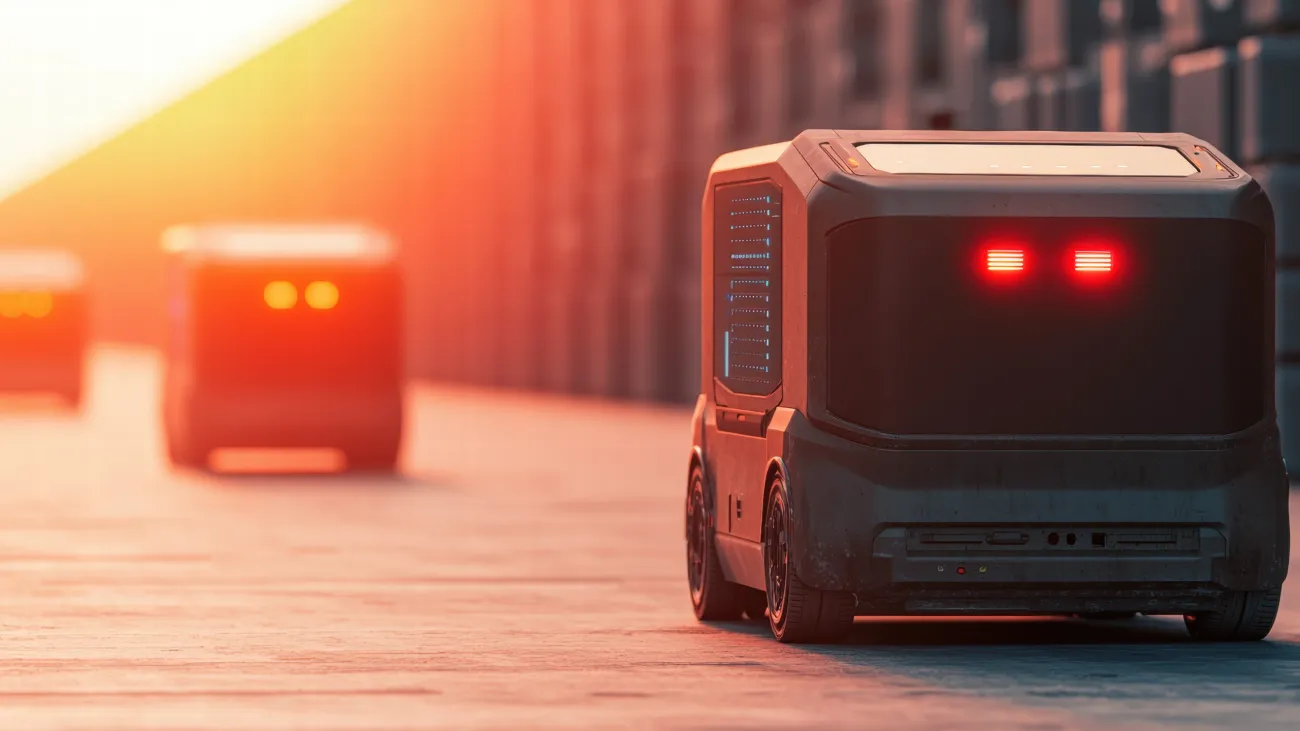
Inside Amazon's automation push
In a warehouse in South Carolina, Amazon is testing Blue Jay, a robot with several arms that picks, stores and combines items in one work area, at a pace no person could keep up.
Amazon has moved past experimenting. It is carrying out a plan that could change the economics of hourly work.
According to internal documents reported by The New York Times in October 2025, Amazon's automation team expects the company to avoid hiring more than 600,000 US workers by 2033, even as it expects to sell twice as many products, by automating 75% of its operations. By 2027, the documents suggested, automation could mean around 160,000 fewer hires. Amazon said the documents reflected one team's view, not the company's overall hiring plans.
Ten years in the making
Amazon's move into robots is the result of a plan ten years in the making. Since buying Kiva Systems in 2012, the company has been building up layers of automation covering moving, handling, sorting, storing, identifying and packing items.
Each robot, from Sparrow and Proteus to Cardinal, Pegasus and Hercules, is more specialised than the last. Together, they work like a carefully choreographed routine across Amazon's warehouses.
Now two new arrivals take centre stage:
- Blue Jay, which Amazon says can handle around 75% of the types of item it stores, combining what used to be three robot stations into one.
- Project Eluna, an AI agent that draws on past and live data from across a building to predict bottlenecks and suggest what operations managers should do.
Amazon calls Blue Jay an "extra set of hands". It also marks a shift from machines that help people to machines that take the initiative.
Nobel Prize-winning economist Daron Acemoglu told The Times that if the plans work out, Amazon, the second-largest private employer in the US, could become "a net job destroyer". He added that once Amazon works out how to automate profitably, others will copy it.
Warehouse work built on scanning barcodes and lifting boxes is giving way to something else.
When work becomes an algorithm
Automation has always been about efficiency. What is happening now goes further and changes how work itself is organised.
For Amazon, robots are a strategic tool behind its logistics, profits and growth. Its edge, being able to deliver anything, anywhere, faster, depends on scale, and scale now depends on machines.
According to the reported documents, automation could save around 30 cents on each item Amazon picks, packs and ships. Multiply that by billions of items and you can see the sums: money spent on machines in exchange for output that can keep growing. The social cost does not appear on that balance sheet.
Automation is moving beyond specialist jobs into the core of hourly work. When robots handle picking, sorting and moving goods, the effects spread far beyond warehouses. Rival retailers will adopt similar systems to keep up, setting off a chain reaction that could change the nature of jobs in logistics and retail.
The same will happen beyond Amazon, wherever work can be turned into an algorithm. Our post on when AI absorbs the middle layer looks at the same pressure on office jobs.
The social contract under strain
Amazon's public story is careful: robots as "cobots", built to cut repetitive tasks and improve safety. The Times reported that internal guidance steered staff towards words like "advanced technology" and "cobot" and away from "automation". The company points to community partnerships and new jobs in other areas to soften the message.
You do not need to read between the lines to feel the tension.
Blue Jay does not call in sick. Eluna does not need a pension. A "partnership between people and machines" may sound like teamwork, but the economics are lopsided. Each new engineering job may be matched by many warehouse jobs that are never created.
For leaders and policymakers, this raises a question about the unwritten deal around work. What happens when one of the biggest workforces in the United States starts automating itself from the inside?
And what happens to the communities that rely on those wages, those health benefits and those seasonal contracts that keep local economies going?
Automation will create new jobs, of course, in maintenance, data operations and programming robots, but probably not on the same scale, and not for everyone. Acemoglu's wider research has long argued that the number of jobs automation creates is often overstated. Many people who lose work cannot simply "retrain".
Robots will take some jobs. The open question is how society adapts when they do.
From code to physical work
The next few years will be a turning point. If Blue Jay and Project Eluna prove themselves in testing, they are likely to spread across Amazon's network, and robots could become as central to commerce as cloud computing or online advertising.
The wider story is what comes after the hype, when generative AI fades into the background and physical automation takes the spotlight. From humanoid robot startups such as Figure AI and Unitree to driverless delivery fleets from Waymo and Baidu, the race is moving from code to doing things in the physical world, from intelligence to bodies.
For business leaders, the point is that automation on this scale is already happening.
The challenge now is to build companies, and societies, that can do well in the machine economy. For leaders planning their own automation, five questions help:
- Which tasks, not jobs, are being automated? Map the work in detail before announcing changes.
- What happens to the people? Plan new roles, retraining and a fair transition before the technology arrives, not after.
- Where do people stay involved? Decide which decisions and exceptions stay with people.
- How will you explain it? Soft words erode trust. Be clear with staff, customers and communities.
- What is the full cost? Include maintenance, downtime, risk to your reputation and the effect on communities in the business case, as well as savings on wages.
How AI agents are changing office work at the same time is covered in the internet of jobs.
Amazon describes the future it is building as one where people's work changes more than it disappears. Whether that proves true will depend on the choices employers make as the machines arrive.


